Holidays in the Woodland
We embarked on a new venture over the Easter Holidays with our first forest school holiday club! We invited some new, and some familiar, faces into our woodland for a day of exploration, crafts, art and play. Open to children aged 6 to 10, we wanted to offer children outside our nursery the opportunity to experience a day of forest school activities and gain the benefits of being outdoors in nature.
So after everyone (along with their excited energy!) had arrived at nursery we packed our things and headed to the woodland. It was lovely to see some of our nursery alumni settle back into the woods like they had never left, remembering the trees where they played whilst at nursery several years before, and introducing others to this space.

We headed to base camp for some games to start the day, the children eager to each have a go at thinking of two natural objects for their friends to run to and touch for our game of ‘touch 2’. After running off a bit of our energy, we headed further up the hill and found ourselves at the laurel trees. A dense evergreen canopy under which to explore, the laurels provided our setting for den building, imaginative play, and climbing. But after a while, off we went in search of sunshine, finding ourselves at the fallen down tree, which would be the setting for the rest of our morning.
After setting the boundaries for our new area, we got out some resources and the children took charge of their own play. Some climbed along the trunk of the horizontal tree, others played hide and seek amongst its cascading roots. We also had time for calm and concentration with some crafts. We decorated wooden disks and stones, turning them into ‘easter eggs’ with an array of different designs.
We had a visit from the preschool forest school children, who came to say hello. We merged groups for a while and they even assisted with finding the stone ‘eggs’ hidden amongst the leaves, branches and undergrowth of our area.
In the afternoon, we headed back to base camp for some games and a relax in the hammock. Before long it was time for our closing activity of toasting some hot crossed buns, or crumpets, on the fire. During this activity, the children took it upon themselves to tell the group some stories, and I can confirm that we had some very talented performers!
And just like that, it was time to head back. After a chat about which bits of the day we enjoyed, we delivered our group of children back to their parents and carers after a day spent enjoying the outdoors.
“My son had a great time, toasting hot cross buns and painting rocks- he didn’t want to leave!” - Parent
We hope to run more of these sessions in the coming holidays, so look out for our next one!


-Daisy


Embracing Nature’s Learning Opportunities
Springtime Discoveries

At Inspirations Nurseries, the arrival of spring signals a season of vibrant growth and abundant learning opportunities for our little ones. As nature begins to awaken from its winter slumber, our nursery setting becomes an ideal backdrop for exploring the changes in the environment. With a rich tapestry of sights, sounds, and experiences, spring provides a unique chance for young learners to engage with the world around them and cultivate essential skills.
1.Nature’s Classroom: Spring is a time when the outdoors transforms into a living classroom. At Inspirations, our spacious gardens and surrounding areas are filled with blossoming flowers, budding trees, and the delightful sounds of chirping birds. We take advantage of this natural environment by organizing regular outdoor exploration sessions. Children are encouraged to observe and interact with the flora and fauna, fostering curiosity and inquiry. By witnessing the changes in nature, they develop an understanding of life cycles, ecosystems, and the interconnectedness of all living things. Our Art Studio offers further opportunities, having access to different tools and materials to create still life drawings, and their own representations of different plants, flowers, and living things.
2. Hands-On Gardening Experiences: One of the most enriching activities we offer during spring is gardening. Our children
have the opportunity to plant seeds, tend to growing plants, and even harvest vegetables. This hands-on experience not only teaches them about the processes of plant growth but also instills a sense of responsibility and pride. As they dig in the soil and nurture their plants, they refine their fine motor skills and learn about the importance of caring for the environment. Gardening also provides valuable lessons about patience and the rewards of hard work.

3. Sensory Exploration: Spring brings with it a wealth of sensory experiences that are vital for early childhood development. The vibrant colours, fragrant blooms, and varied textures of the season can be integrated into numerous activities at Inspirations. Our sensory play areas are filled with materials such as soil, flowers, and water, allowing children to explore and engage their senses. Activities like creating nature-inspired art, building
fairy houses with twigs and leaves, or engaging in water play help to stimulate creativity and imagination while supporting cognitive development.
4. Language and Literacy Growth: The themes of spring provide a rich platform for enhancing language and literacy skills. We incorporate storytelling sessions that celebrate the season, using books that highlight the beauty of nature and the changes that come with it. As children share their observations and experiences from outdoor play, they are encouraged to express themselves verbally, building their vocabulary and communication skills.
Activities like keeping a nature journal or simple tally charts allow children to document their findings, fostering a love for writing and literacy.
5. Social and Emotional Development: Spring also creates numerous opportunities for social interaction and emotional growth. Our children engage in collaborative activities like group gardening or nature scavenger hunts and walks, particularly during our forest school sessions, where they learn the importance of teamwork, sharing, and effective communication. These experiences help develop empathy and emotional intelligence as they navigate relationships with their peers. Additionally, the joy and wonder inspired by nature contribute to positive emotional experiences, allowing children to connect with their feelings and those of others.
At Inspirations, spring is not just a season; it is a vibrant tapestry of learning experiences that nurture the development of our young learners. By immersing them in the beauty of nature and providing hands-on opportunities, we inspire a lifelong love for exploration and discovery. As we celebrate the arrival of spring, we invite our children to engage with the world around them, fostering a sense of wonder and curiosity that will last a lifetime.


Tales from the Pond
Watching Frogs Grow: A Magical Journey from Tadpoles at Inspirations Nurseries and Forest school
One of the most exciting experiences at Inspirations is watching tadpoles transform into frogs. This fascinating process, known as metamorphosis, offers children a unique opportunity to learn about life cycles, nature, and the importance of patience and responsibility.
We are lucky enough to have those experiences first hand on site at Inspirations, as we have our own pond! Our pond, if you haven't noticed it, is gated and tucked behind the yurt in front of the Art Studio. We are currently observing a substantial influx of frogs at our site, where they are laying their eggs. The children in toddlers and preschool have been fascinated visiting the pond and seeing the new arrivals. The preschoolers have witnessed up to 23 frogs at once!


Initially, tadpoles emerge from their eggs, propelling themselves through the water with their tails. As the weeks pass, children witness the magic of change as tadpoles grow legs, and their tails shrink. This gradual transformation captivates young minds and encourages observation and curiosity about the natural world.
The process also teaches patience. Children learn that changes take time, and they eagerly wait for each new stage of development.
In addition to watching the metamorphosis, the adults can enhance the experience with activities like drawing, journaling, and singing songs about frogs. Children can also read books or act out the frog life cycle, making learning fun and engaging.
The final stage, which involves observing the fully developed frogs in their natural habitat as they venture into the wild, provides a significant conclusion to the experience. This stage emphasizes the importance of respecting and conserving nature.
Watching tadpoles grow into frogs is a magical, hands-on learning opportunity that fosters a love for nature and helps children connect with the world around them.


 -
-Kayleigh

The Importance of Reading in the Early Years
Did you know that children develop more rapidly in the first 5 years of their lives than at any other time? Vital connections in the brain are made very early in life and when stimulated, these form the basis of all future learning and intellectual ability. To put this simply, reading to your children at a young age stimulates these brain cells and each time it strengthens them, and they form connections with even more brain cells. A study states that even children who are only read one book a day will hear 290,000 more words by age 5 than those who don’t regularly read books with a parent or carer.
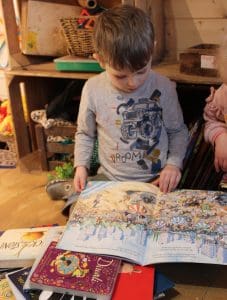
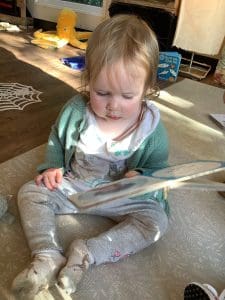
Early reading ignites creativity and curiosity, and the biggest psychological benefit is how it helps to grow self-confidence. It is a skill that parents can nurture in those early years, and simply taking some time out of your day to sit down and read with your child supports this and will create a solid foundation from which your child can build on for the rest of their life. Reading doesn’t necessarily have to be in word/text form, signs such as road signs, logos and pictures are further examples of ways in which children can develop their reading skills.
As you are aware our ethos at Inspirations is child led and although we never force the children to partake in anything they don’t wish to, we do provide many opportunities for the children to explore and challenge themselves daily, to enable different learning opportunities and develop many skills throughout their time with us. Some examples of how we promote early reading are:
- Books – age related to each room. These can range from picture books to touch and feel books, to shorter stories with few words and longer stories with more words. We display these in different areas as well as creating a quiet, calm and cosy space for the children to be able to have time to explore books to encourage curiosity and language. We rotate the selection regularly, and incorporate books to support current interests and topics.
- Name cards – These are primarily displayed in our preschool provision for the children to access should they wish to explore finding their own name and sometimes attempting to label their work.
- Words/questions around the room – These can be words and questions related to current interests and topics, to spark further language, imagination and conversations.
- Different languages – Should we have children with additional languages we display everyday words and phrases, as well as related books, around the rooms to support their culture and heritage.
- Story telling – We create open, safe spaces for the children and provide versatile, open ended resources to be able to express themselves imaginatively and creatively.
- Early phonics – Whether it be environmental, instrumental, spoken sounds and languages to exploring initial sounds, rhyming words and blending/segmenting – we incorporate Phonics into our everyday routines but do support this more during school readiness and through the children’s individual interests and abilities.
- Pictures as symbols – Simple props such as wooden spoons and log slices, with song illustrations on them such as ‘Baa, Baa black sheep’, and ‘Twinkle, Twinkle little star’ help to make links and realisations that images are symbolic.
- French – We provide an opportunity once a week in our preschool provision for the children to explore and express themselves through another language.

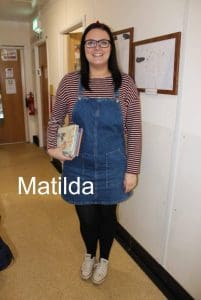
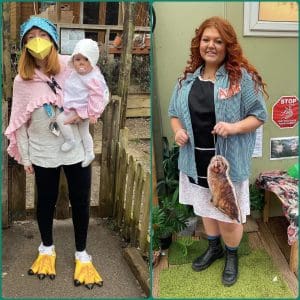
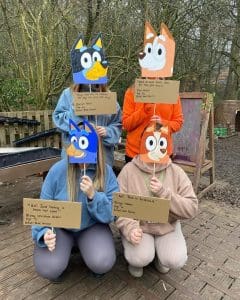
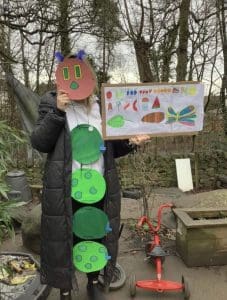
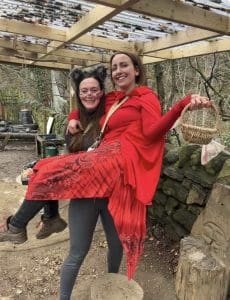
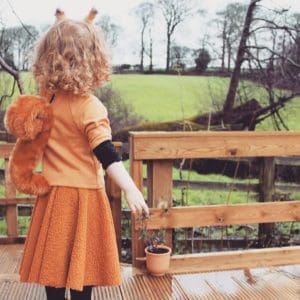
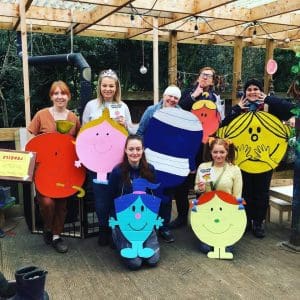
The annual book celebration WORLD BOOK DAY is fast approaching. It allows children to express themselves imaginatively and creatively and encourages them to engage with reading, as well as providing fantastic opportunities to focus on reading for pleasure and embedding a habit of reading that brings a wide range of benefits. This year World Book Day is on Thursday 6th March, please join us to celebrate by dressing your child up as their favourite book character, if they wish to do so.
Let's take a look at some of the outfits from previous years



Supporting SEND in Early Years Settings
Early years settings are crucial in providing support for children with Special Educational Needs and Disabilities (SEND). By fostering an inclusive, personalised environment, children with SEND can thrive socially, emotionally, and academically. At Inspirations we are passionate about supporting all children and inclusivity, even if that means we need to provide extra support.

Here’s how we support our children:
1. Inclusive Environment
We create accessible spaces and use adaptive tools to ensure all children, regardless of their needs, can participate. This includes accessible rooms, sensory-friendly areas, and visual aids to support communication.
All the activities are accessible for all abilities. For example, in the preschool room a numeracy activity with a variety of numbers will be set up and how the adult supports a child to interact with that activity depends on their ability. There could be numbers out and other resources; for one child we could simply ask them what they see and encourage counting, whereas another child we might ask to them match the numbers or put them in a sequence. This is why it’s important we get to know our children and we can do that through child led learning.
2. Individualised Support Plans
Every child’s needs are different. Tailored plans—such as Individual Education Plans (IEPs)—will be created by the child’s key worker, with a sencos (special educational needs and disabilities coordinator) support. Regular reviews ensure there is ongoing support and monitor progress. For children that receive any inclusion funding, the parents are asked to come in on a termly basis to create targeted outcomes together and celebrate achievements.
3. Trained Staff
Educators working with children with specific needs receive ongoing training in various SEND-related areas, such as autism or speech and language development. This equips them to respond effectively to each child’s needs. We have two trained sencos onsite to support the staffs development and training needs. Many of the other staff have shown an interest in training in other areas such as communication and language barriers and supporting behaviours etc.
4. Emotional and Social Support
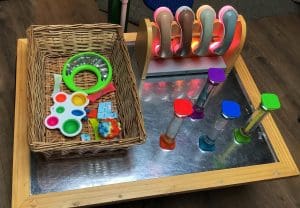
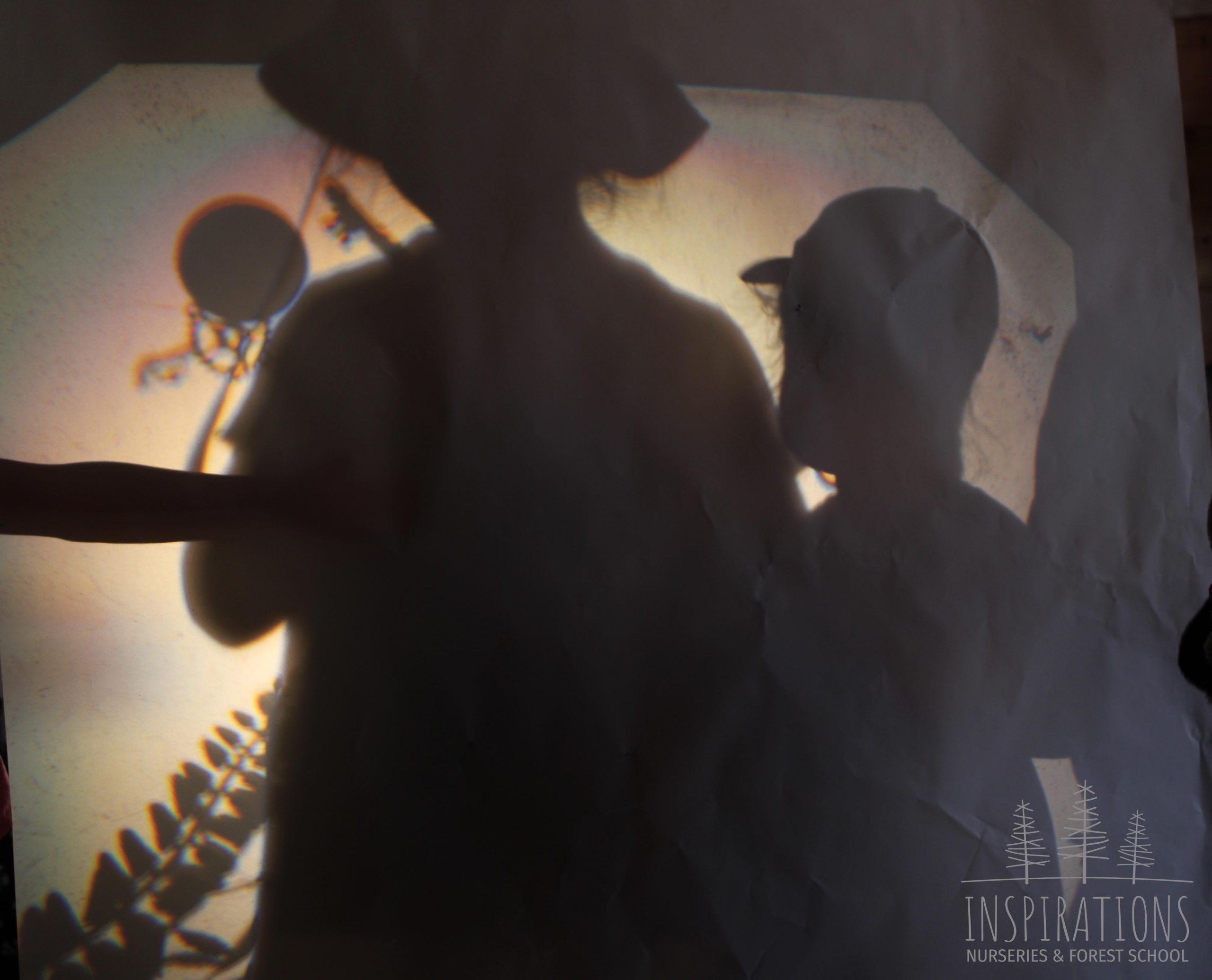
We support children to develop their social and emotional skills through activities like social stories, role-playing, and peer interaction. Providing emotional regulation tools such as sensory breaks, supports children when they’re overwhelmed. In the preschool room, we have just purchased a variety of sensory toys, including a large light table and a dark den.
5. Collaboration with Parents and Professionals
Effective communication with parents ensures consistent support at home and nursery. Collaborating with specialists, such as speech therapists, provides a holistic approach to each child’s development. As above, we review on a termly basis using a senit dj ( special educational needs development journal), this is the EYFS (early years foundation stage) in smaller steps to enable us to see and monitor progression, and to enable us to have a more tailored targeted approach. Parents of children that are funded with early years inclusion funding are invited into nursery to discuss progression and create the next terms targets collaboratively.
6. Fostering Independence
Encourage children to develop independence by celebrating small achievements and teaching self-advocacy skills. This boosts their confidence and helps them navigate challenges. Rather than recruiting a one to one for the children that require additional support, we would choose to recruit an additional member of staff to be there to support when needed but to also allow and encourage children to develop their own independence and learn how to navigate with support rather than done for them.
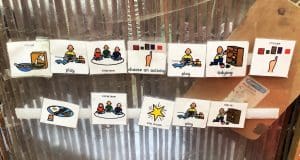
Did you know you we offer Send Forest School Sessions open to the public on Thursdays, to book your place visit the following link- https://inspirationsnurseries.co.uk/forest-school-training-and-sessions/sessions/send-sessions/
Early years settings play a key role in supporting SEND children by creating an inclusive, tailored environment. By focusing on individualised support, strong staff training, and collaboration with families and professionals, these settings ensure that every child can grow and succeed at their own pace. This is a belief we have for all children, not just those with SEND. Child led learning and having keyworkers allow us as educators to observe our children, listen to their questions and their stories, find what interests them and then provide them with opportunities to explore these interests further. The Reggio Emilia Approach takes a child-led project approach. The projects aren’t planned in advance, they emerge based on the child’s interests. With individualised plans for those children with SEND being tailored to them, we also carefully plan their activities through their interests to help support them to reach their outcomes.
-Kayleigh


Eco-School Green Flag Winner
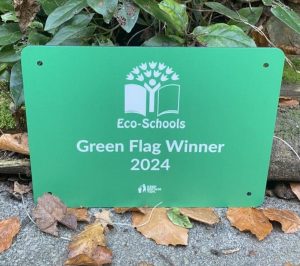
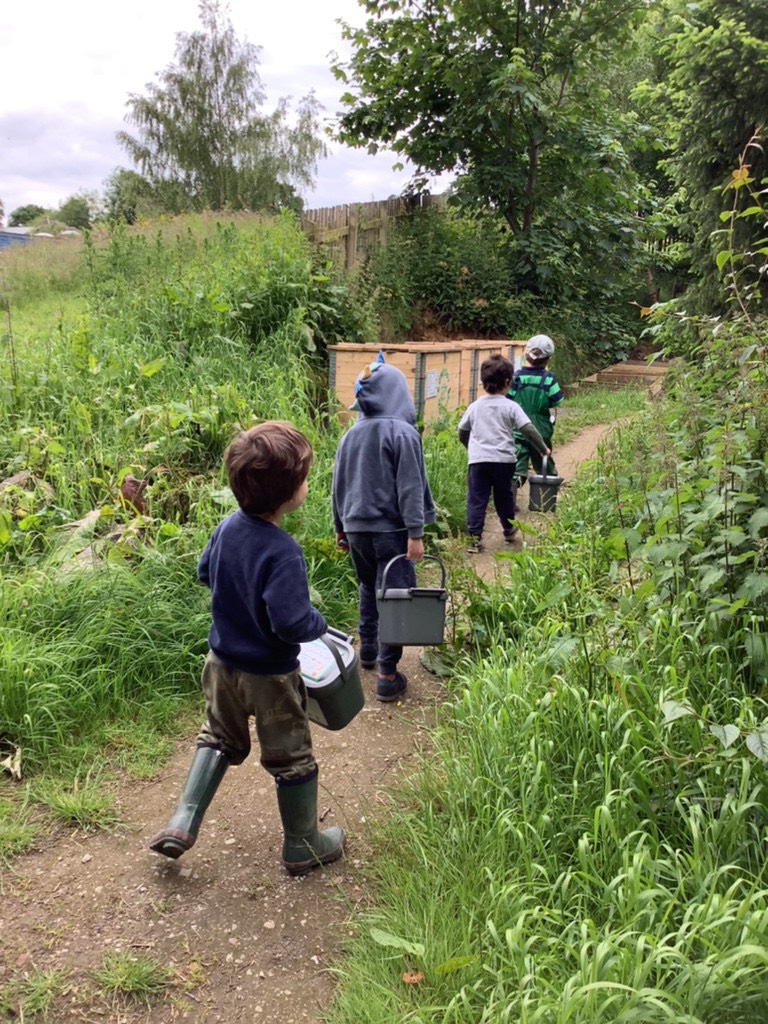
We are proud to announce we have been accredited the Green Flag plaque and International Eco-Schools Award Certificate thanks to the hard work of Tara leading our Eco-School Team, our children and their grown ups. Thank you also to Penny Pinn who has given up her free time to train our staff in composting, and thank you to Leeds FoodWise and Compost Collective.
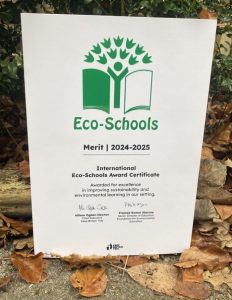
'Awarded for excellence in improving sustainability and environmental learning in our setting.'
So what exactly have we been doing in our nursery to win this award?
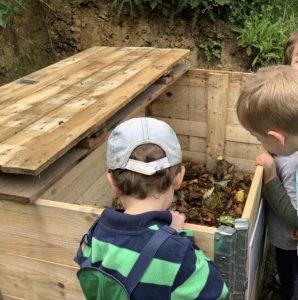
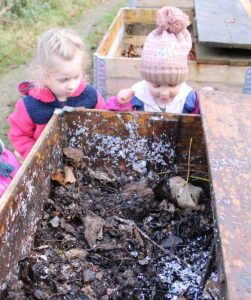
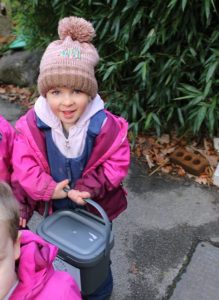
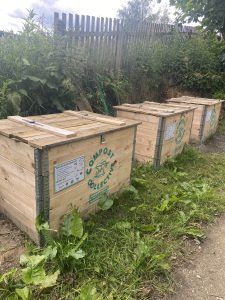
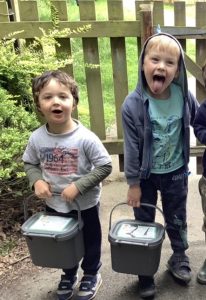
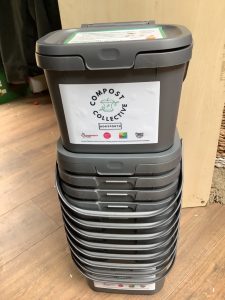
- With the help of Compost Collective we had 3 compost bins installed, which we are now excited to share with West End Primary school. The staff and children have been taking home compost caddies to fill up at home and bring in to compost to do our bit to combat climate change.
- We have been doing the battery challenge, taking in used batteries from the nursery and the community to recycle properly.
- Our Nursery have donated items to the food bank and our pre-school children have taken it to the Horsforth Community Cafe and even helped unpack and prepare.
- We took part in the big bird watch.
- We do seasonal clothes swap events
- The Forest School and our ethos we continue to teach the children to respect nature, look after our planet and be resilient in all weathers.
What they said about us
'You have used environmental issues to enrich learning and increase engagement with learning in your nursery and this is something to be very proud of. Your Eco-Committee have used a wide variety of methods to inform their school community about their work including fortnightly newsletters, social media and community links with Friends of Hunger Hill Woods, this shows they take pride in their achievements and are working hard to involve and educate all around them.
You have worked with a variety of different individuals and organisations, relying on their expertise and passion to enrich and inform your Eco-Schools journey. No doubt this was a mutually beneficial experience for all, as these individuals and organisations must have also been inspired by your dedicated Eco-Committee.
We especially loved reading how the young people have impacted on their local environment by helping in the Community Cafe. From the quote provided, parents are clearly appreciative of all your environmental efforts. Staff members should be proud that you have provided young people with a good awareness of environmental issues and strong foundations for them to build on as they progress to school and hopefully continue their journey as environmentalists.
You’ve made an incredible impact in your nursery and local community and serve as inspiration to all. Congratulations on earning the Eco-Schools’ Green Flag with Merit.'
We are very proud of our eco journey so far, but this is simply the beginning. In the meantime keep bringing in your compost caddies and check out and sign up to the Horsforth Climate Action Newsletter here- https://www.climateactionleeds.org.uk/newsletter
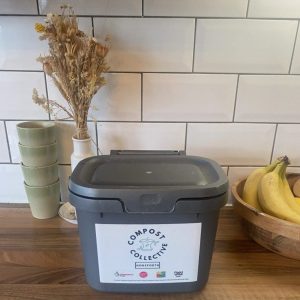
If you don't do so already please feel free to take home your own compost caddy, which you can bring in when full and leave at the pre-school gate for the children to empty.
-Nathalie

New Forest School Ventures
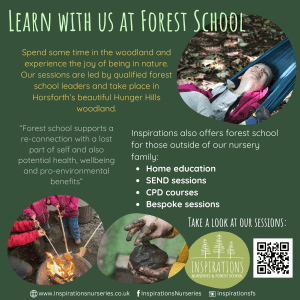
We are excited to now offer a range of Forest School sessions for both adults and children of all ages, lead by our Forest School Leader Daisy.
About your Trainer

Daisy is a Level 3 forest school leader and has worked within several outdoor education and forest school settings across the charity, public, and private sectors. The open-ended nature of forest school is what captures Daisy’s imagination and she loves how learners continually find new ways to use natural objects.
Daisy has a Masters degree in biodiversity and conservation and will use her detailed knowledge to enhance your learning experience. Through studying nature connection, she is aware of the importance of nature for human wellbeing and is a keen advocate for the role forest school can play in this process.
We are offering Home Educations Sessions for children, including SEND sessions and bespoke settings.
https://inspirationsnurseries.co.uk/forest-school-training-and-sessions/
Forest School Training and Events.
Inspirations core values are outdoor play, creativity, and self-directed learning. These values reflect forest school pedagogy and show how outdoor learning is at the heart of what we do here at Inspirations.
Our Forest School Skills for Educational Professionals course offers you the chance to learn more about the forest school ethos and outdoor learning so you can develop your skills and take steps to bring the outdoors into your setting.
Spending one day in a beautiful woodland, the course will cover:
- Introduction to forest school ethos and benefits of outdoor learning
- Understand the importance of nature connection
- Examples of games and activities to use with a class outside
- Introduction to tool use, fires and risky play
- Introduction to reflective practice
Learning with us provides an open and calm learning environment that promotes discussion, conversation, and a relaxed learning pace. You will get to learn about the benefits of learning in nature whilst simultaneously gaining these benefits yourself!
This course is designed for anyone wanting to learn more about forest school and outdoor learning. Whether you are a teacher, TA, early years practitioner, student, or just want to learn more, we welcome you to the woodland.
Our courses may be tailored to your organisation’s needs. If you are wanting to make a group booking for one of our courses, please send an email to daisy@inspirationsnurseries.co.uk

In the News- Parental Engagement
In March of this year a new study about an increase in the number of children starting school who are not “school-ready” which reported that 28% of children in reception year “incorrectly use books (swiping or tapping as if using an electronic device)”. A worrying statistic indeed, and one which questions are children having enough verbal interactions with the adults in their life?
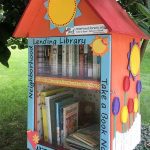
There have been some recent efforts to inject the excitement of the simple joy of books in the community with the free libraries dotted around suburbs and towns. Did you know at Inspirations we also have a lending library in the front entrance?
Learning suffered during lockdown and perhaps this is still having an impact. This article from a couple of years ago now highlights just how much the Pandemic affected our children- https://www.theguardian.com/lifeandstyle/2022/apr/24/life-in-lockdown-held-back-progress-of-under-fives
'Parents spent less time reading, chatting and playing with their children during the pandemic, according to new research by the National Literacy Trust. A quarter said they did not chat with their child every day in 2021, compared with just 10% in 2019, and only half (53%) of parents said they were reading to their child daily, compared with two-thirds in 2019.
And the proportion of parents who said they played with their child at least once a day in the previous week also fell from 76% in 2019 to 72% in 2021. The Trust surveyed more than 1,500 parents with children under five.
Overall, the research found that fewer parents of young children engaged in “home learning activities” – reading, chatting, playing, singing or painting and drawing – in 2021, compared with 2019, despite spending more time in the home with their child due to the pandemic.'
In many ways we need to get back to basics, and that is what we try and do at Inspirations. We have meaningful interactions, promote the joy of reading, teach them to plant seeds and grow vegetables and develop their creativity.
It takes a village to raise a child, and we all have a role to play in this.

Empowering the Child's Voice Through Art
This July, my self (Nathalie from the Art Studio) and Tara took part in an early years conference 'Using the Arts for the Children's Wellbeing and Communication: A holistic Approach'. It was delivered as part of a funded Arts Council Partnership called 'Tuneful Chatter,' and was a wonderful reminder of why we do what we do at Inspirations Nurseries in terms of creativity and the 100 languages of learning.
At the beginning of the conference we were asked to write down 'What do we want for this child' in any given learning opportunity. The answer I wrote down was 'I hope the child feels confidence to experiment with materials and to learn from mistakes so they can build confidence. I hope the child discovers something they love doing'.
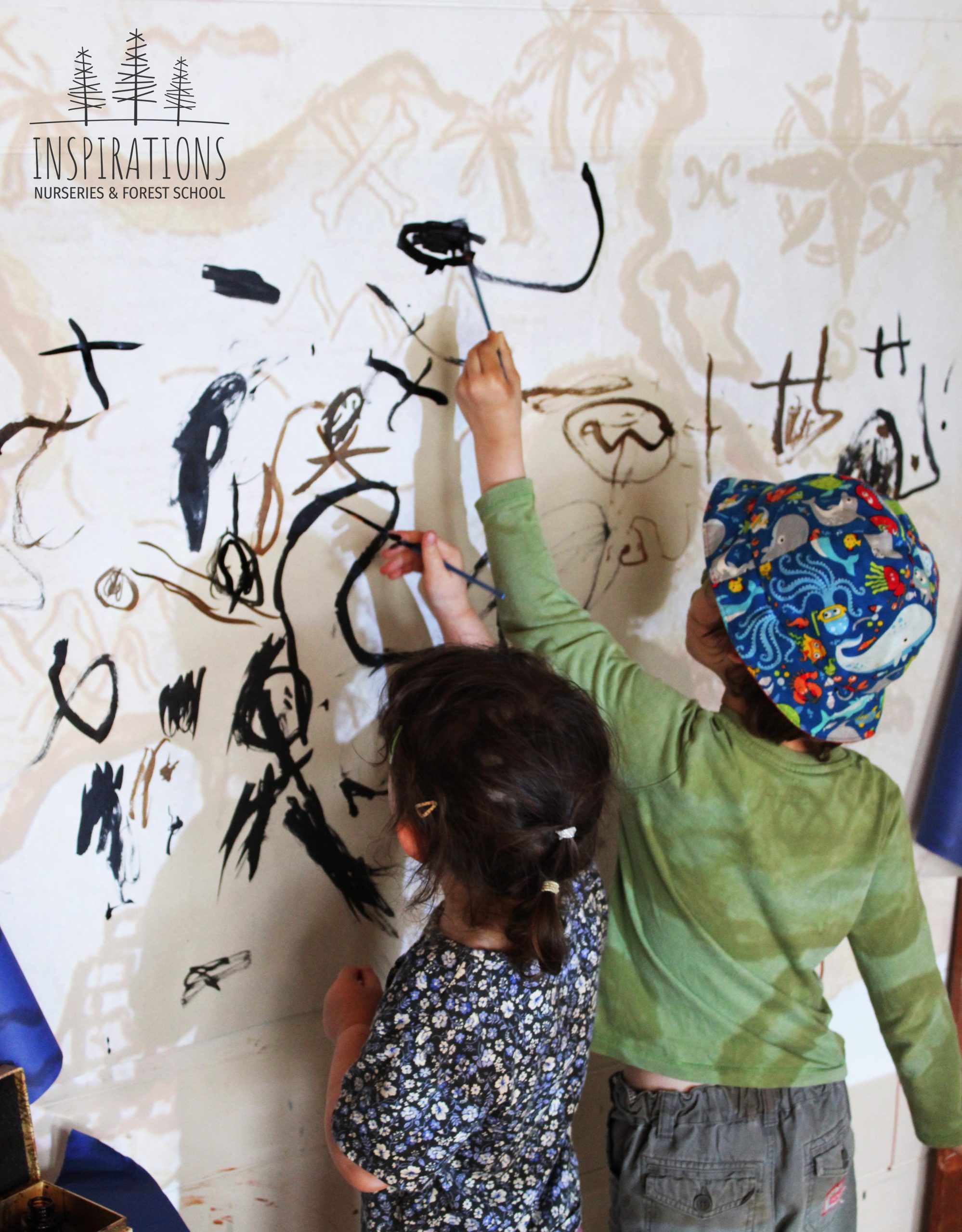
So how do we ensure we are doing this at inspirations? This is why the child led approach is so important. In the Art Studio, our purpose build creative space for pre-schoolers, a pirate interest became a common theme for many of the children. It came pretty much from nowhere, but it was our job to follow it, the children were heard, and the room reflected that.
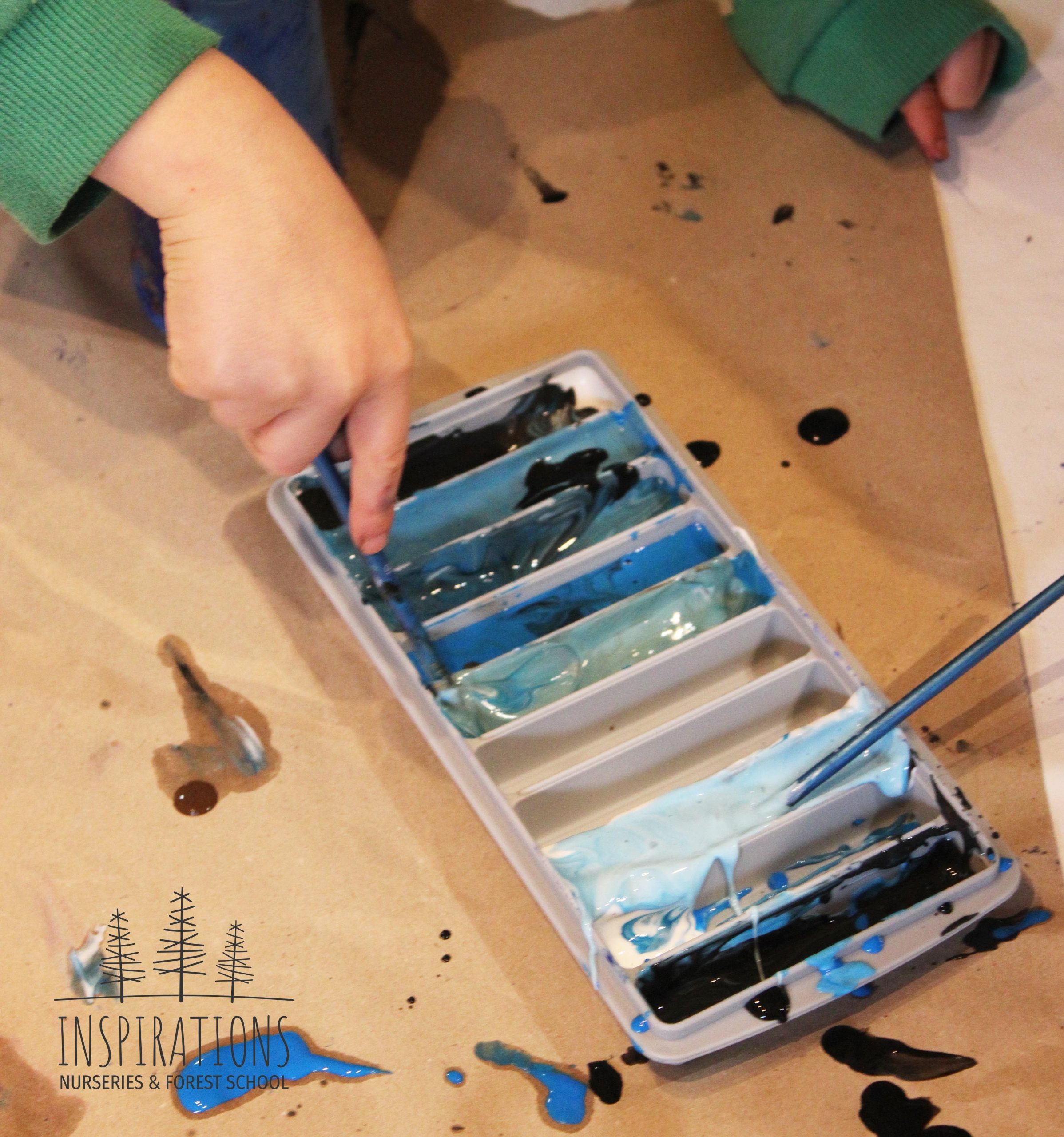
Over the weeks we have explored this topic in many expressive arts, but after creating a collaborative treasure map I stepped back and observed. It became apparent the interest was in the process of creating paint to represent the sea. The real interest here was not at all the end result of the treasure map, but it was the process. So, inspired by the sea, we have spent a whole week now dedicated to mixing shades of blue, and it has kept their attention for such a huge amount of time.
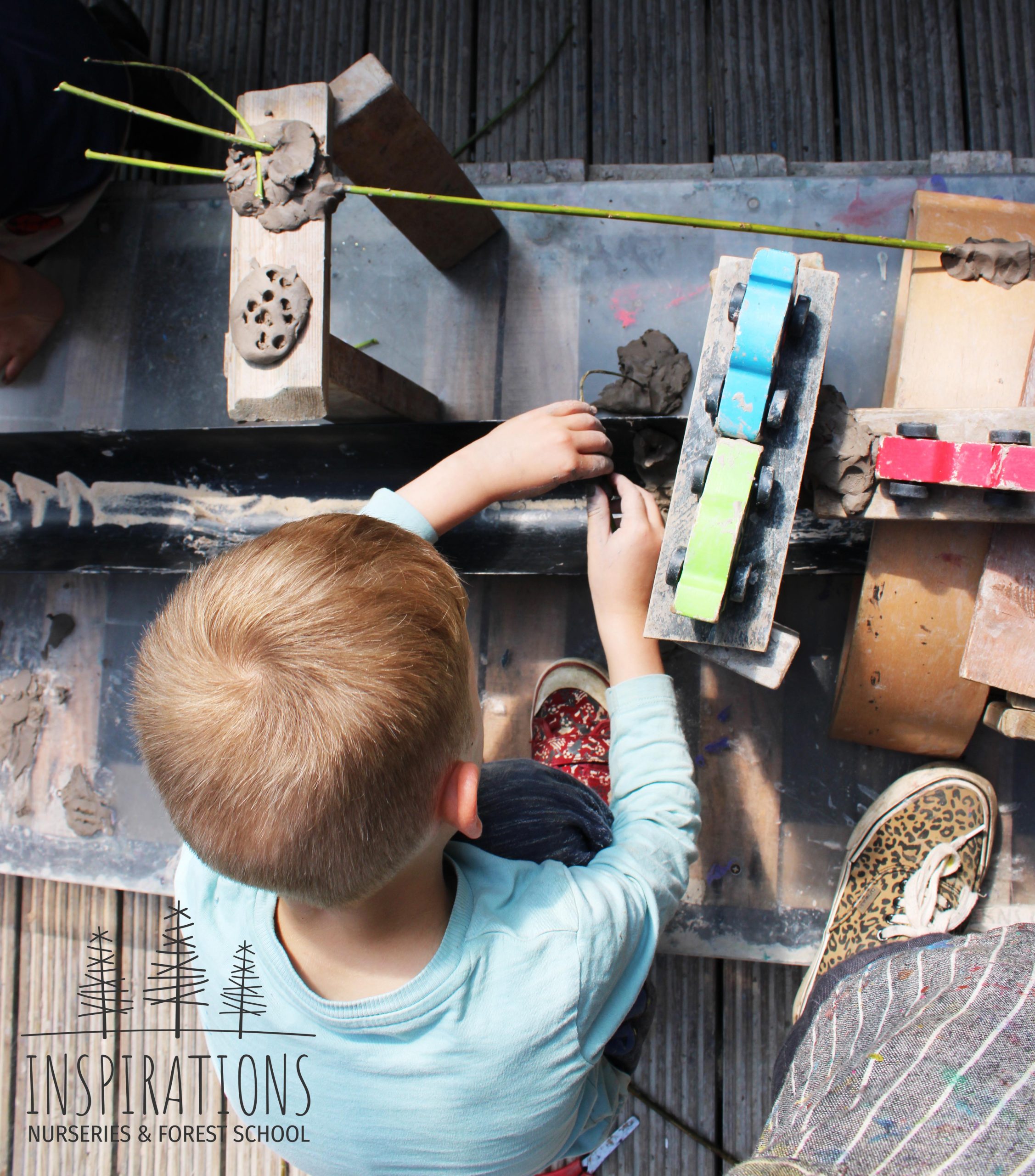
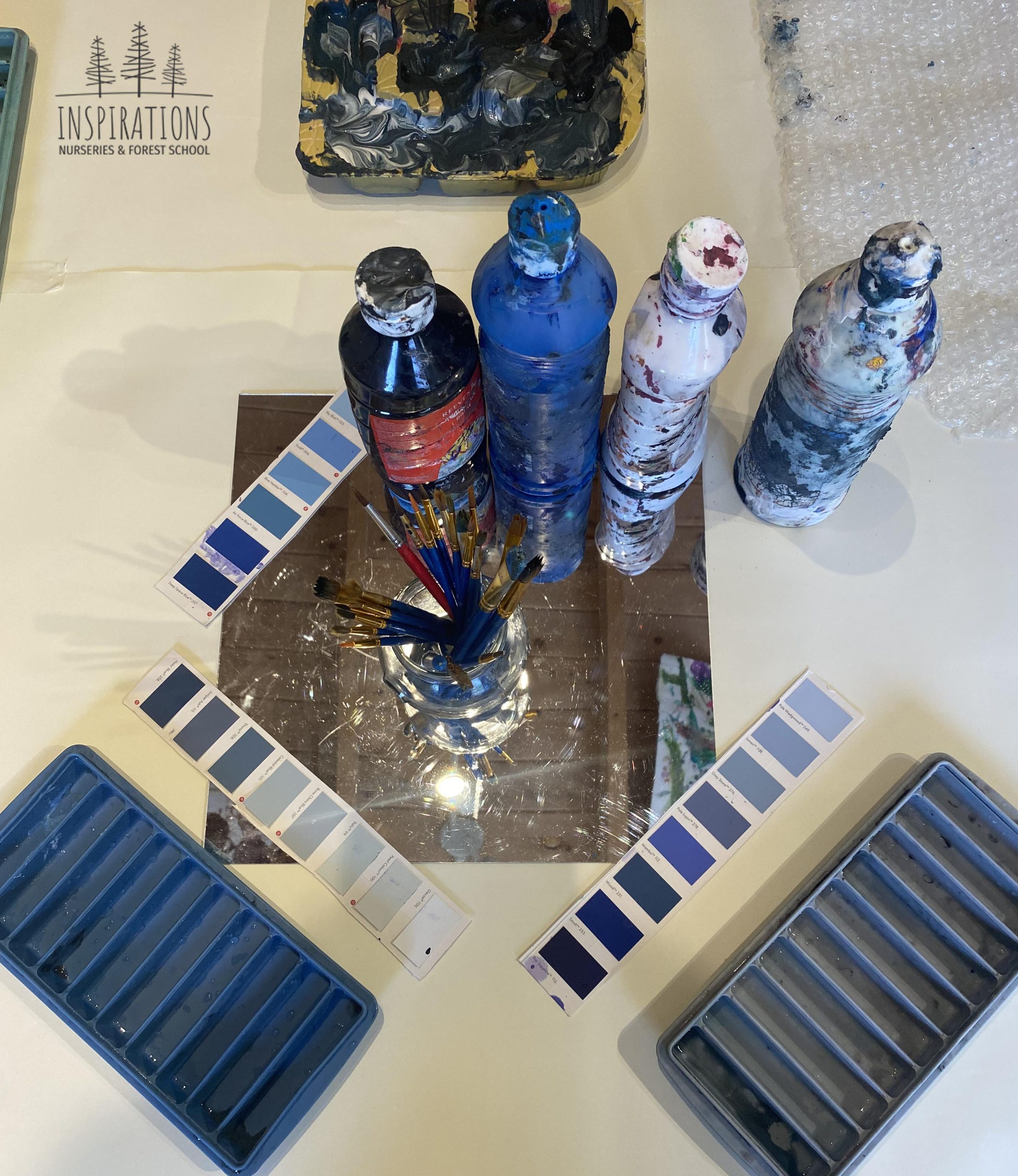



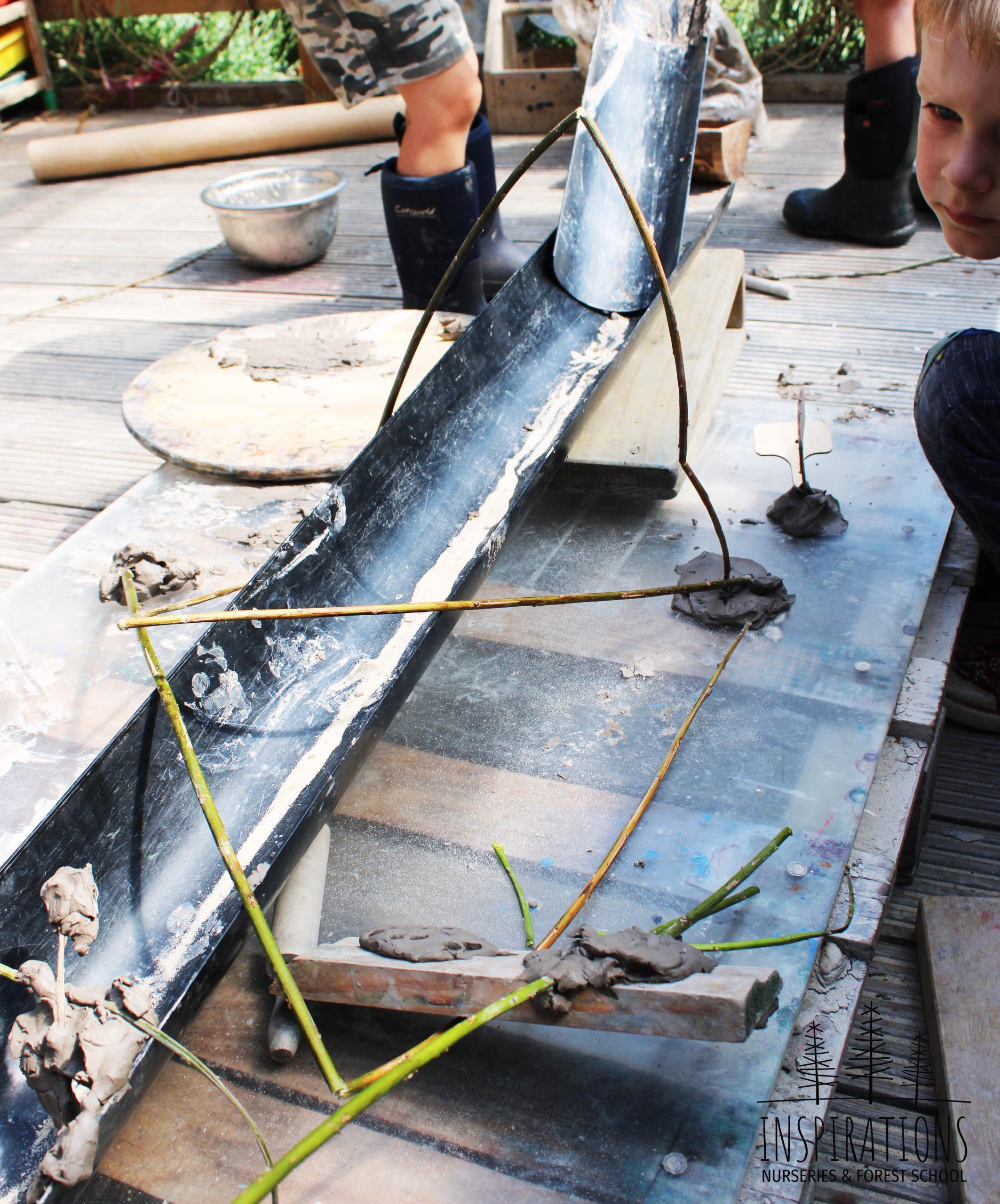
Art is a form of expression
Art is a communication tool; a tool for voice. Our job is to empower that child's voice. When the children in the Art Studio sit with the palettes and paints experimenting with colour, in that moment that is their language of learning; they are being heard; they are getting exactly what they want from the moment. When this happens, we have done our job.
Some of the children used this session to mix paint to make 'blueberry crumble', and pour the paint into biscuit trays, and that is ok. As the educator we do not prescribe outcomes, this is not paint by numbers.
Children have 100 languages of learning and it is our job to match that, not restrict it. When a child is full of potential there is hope and they know that you believe in them.
In order to create these enriching environments we also need to think about the community we are building in our classrooms. Our children pick up on feelings, part of our job in this type of setting is to make the place full of wonderful conversations. Wonderful conversations between staff, animals, each other and to do this we have to understand our selves and be compassionate to our selves and others. Ultimately, Inspirations is a community, filled with deep learning and joy from all.
So what do we want for our children?
'Our task regarding creativity is to help children to climb their own mountains. No one can do more'- Malaguzzi 1988
Thank you to the Doncaster Council and Tuneful Chatter for inspiring conference, and reminding us of the importance of all of the expressive arts in the early years.
-Nathalie

Compost Collective
Inspiring Green Habits
At Inspirations Nurseries, we believe in nurturing not only the minds of our little ones but also instilling in them a deep sense of environmental responsibility. Thanks to Foodwise Leeds our latest initiative; 'Compost Collective' is underway and aims to educate children about the importance of composting and empower them to make a positive impact on the planet, starting from an early age.
Find out more about the amazing Food Wise-

In this blog post, we will delve into the significance of teaching composting to children and how educators play a vital role in fostering a sustainable mindset.
The Importance of Composting:
Composting is a natural process that transforms organic waste into nutrient-rich soil. By composting, we divert organic waste from landfills, reduce greenhouse gas emissions, and enrich the soil for future plant growth. Educating children about composting not only teaches them about the cycle of life but also installs in them an understanding of the interconnectedness of all living things. It helps children develop a sense of responsibility towards the environment and empowers them to take action to protect it.
Starting Early:
Children have a remarkable capacity for learning and absorbing information, making early childhood an ideal time to introduce them to the concept of composting. By exposing children to composting at a young age, we lay the foundation for a lifetime of environmentally conscious choices. Starting early also allows children to witness the entire composting process, from collecting food scraps to observing the decomposition and transformation into nutrient-rich soil. This hands-on experience fosters a deep connection with nature and enables children to appreciate the value of waste reduction and resource conservation.
Catalysts for Change: Educators
As educators, we have the privilege and responsibility to shape young minds and inspire them to become environmentally conscious individuals. By incorporating composting into our curriculum, we can create an immersive learning experience that goes beyond the classroom walls. Through interactive activities, storytelling, and gardening projects, we can engage children in meaningful discussions about the importance of composting and its positive impact on the environment. By involving children in the entire composting process, we empower them to become active participants in sustainable practices.
Benefits of Composting Education:
Teaching children about composting provides numerous benefits. Firstly, it instills in them a sense of environmental stewardship, nurturing a generation that cares deeply about the planet's well-being. Secondly, composting education encourages critical thinking and problem-solving skills as children learn about decomposition, nutrient cycles, and the science behind composting. It also promotes teamwork and cooperation as children work together to collect and manage compost materials. Additionally, composting education fosters a sense of responsibility and self-sufficiency as children take ownership of the composting process.
Inspiring a love for nature and sustainable practices in young children is a powerful way to create a greener and brighter future. By introducing composting education in early childhood, we equip children with the knowledge and skills to make a positive impact on the environment. At Inspirations Nurseries, our Composting Project aims to cultivate a sense of environmental responsibility, foster a deep connection with nature, and empower children to become agents of change. Together, let's sow the seeds of sustainability and nurture a generation that cherishes and protects our beautiful planet.